Meat Market Trainer Job in Johannesburg: A Rewarding Retail Butchery Career
Discover the Meat Market Trainer job opportunity in Johannesburg, Gauteng. Learn about requirements, responsibilities, skills, and how to build a successful butchery training career in South Africa’s retail industry.
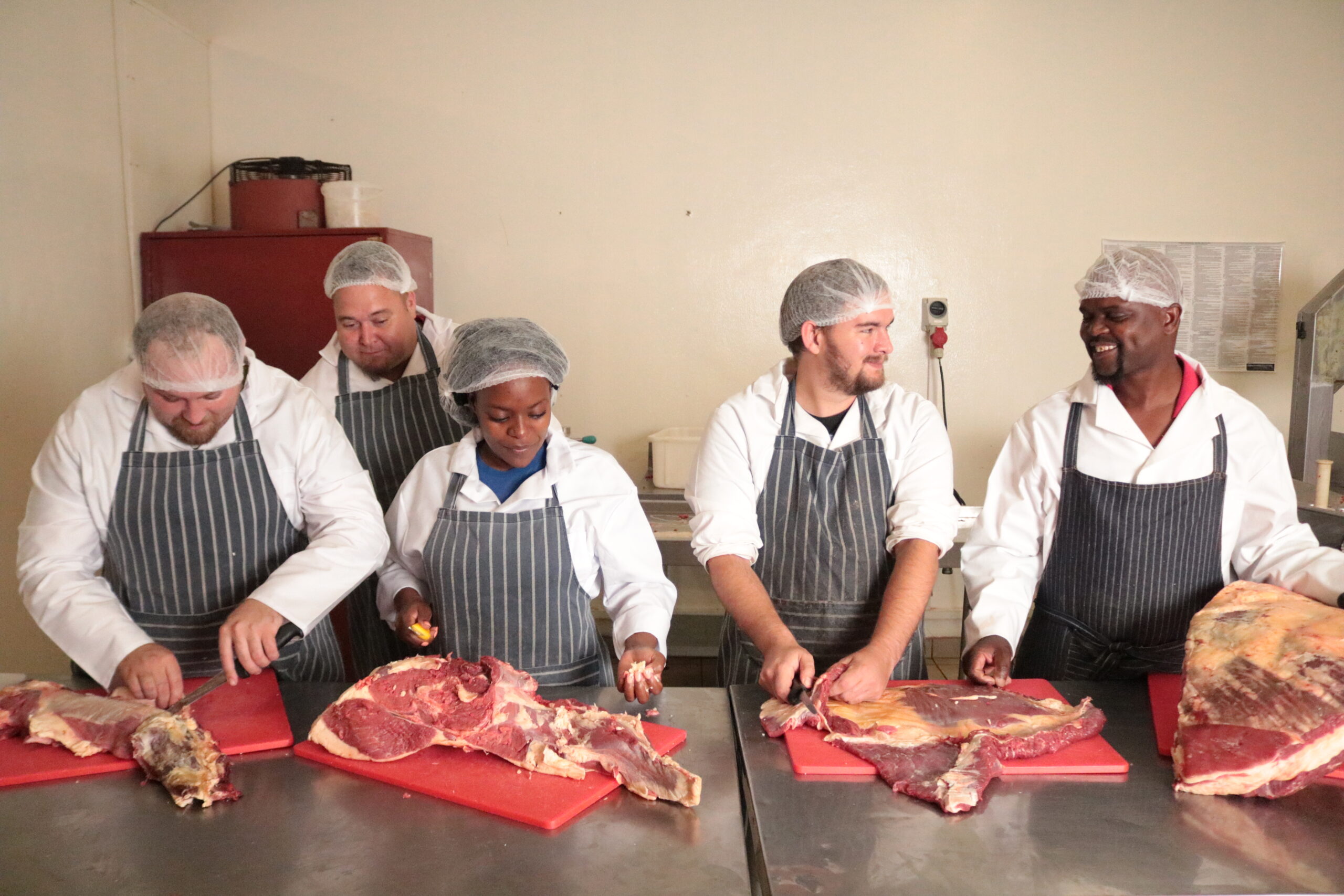
A Valuable Career Opportunity in the Retail Food Industry
South Africa’s retail food sector continues to grow. As a result, there is an increasing demand for skilled professionals who can maintain quality, safety, and operational efficiency. One such opportunity is the Meat Market Trainer position in Johannesburg, Gauteng, offered by the Shoprite Group.
This permanent role focuses on training butchery teams while also maintaining national operational standards. In addition, the position ensures that meat market operations remain profitable and fully compliant with food safety regulations.
For professionals with strong butchery experience and leadership ability, this role provides a meaningful opportunity to influence the future of retail food training. At the same time, it offers a stable and rewarding long-term career.
In the sections below, you will learn everything you need to know about the position. This includes responsibilities, qualifications, required skills, career prospects, and helpful tips for applying successfully.
Meat Market Trainer Job Overview
Before applying, it is important to understand the key details of the role.
Position: Meat Market Trainer
Company: Shoprite Group
Job Type: Permanent
Location: Johannesburg
Reference Number: SHO260303-2
Closing Date: 31 March 2026
Department: Training / Retail Operations
The primary purpose of this role is to implement and maintain a profitable business model for the Meat Markets department while also training employees to follow national procedures and standards.
Furthermore, the trainer works across multiple environments. For example, training may take place in retail stores, training schools, or company offices. Consequently, the goal is to ensure consistent performance and service quality across all retail locations.
Why Meat Market Training Roles Are Important
The retail meat industry is both highly regulated and quality-driven. Customers expect fresh, safe, and well-presented products. Meanwhile, retailers must maintain operational efficiency and profitability.
Therefore, a Meat Market Trainer plays a crucial role in ensuring that stores operate according to strict standards.
A Meat Market Trainer helps ensure that:
- Staff follow correct meat cutting procedures
- Food safety standards are consistently applied
- Equipment is used safely and effectively
- Stores maintain consistent product quality
- Business operations remain efficient and profitable
Without proper training and supervision, meat departments may experience losses, safety risks, and inconsistent service delivery. For this reason, the trainer position is critical for large retail organisations.
Key Responsibilities of a Meat Market Trainer
The position involves several operational, training, and compliance responsibilities. Together, these duties help ensure that meat market departments perform effectively across multiple retail locations.
1. Designing and Implementing a Profitable Business Model
First and foremost, trainers must ensure that meat market operations remain profitable.
To achieve this, they focus on:
- Monitoring product costs and pricing strategies
- Reducing waste and stock losses
- Improving operational efficiency
- Aligning store practices with company policies
As a result, well-implemented business models help each store operate sustainably while maintaining customer satisfaction.
2. Conducting Butchery Training Programs
Another key responsibility involves conducting training programs for employees working in meat departments.
These training sessions typically cover:
- Meat cutting standards
- Product preparation techniques
- Equipment handling
- Hygiene practices
- Customer service principles
In many cases, these sessions take place at training schools, retail stores, or company training facilities. Consequently, employees receive both theoretical knowledge and practical experience.
3. Maintaining National Meat Market Policies
Large retail companies operate according to strict national policies. Therefore, the trainer must ensure that all branches follow the same procedures.
This includes enforcing:
- Standardised meat cutting practices
- Product presentation guidelines
- Operational procedures
- Safety and hygiene regulations
By maintaining consistent policies, companies can strengthen customer trust and maintain brand reputation.
4. Ensuring Food Safety and Hygiene Compliance
Food safety is one of the most important responsibilities in any meat retail environment. As a result, the trainer must ensure strict compliance with hygiene standards.
This includes monitoring:
- Food safety procedures
- Hygiene protocols
- Proper storage methods
- Temperature control systems
Ultimately, strong compliance protects both customers and businesses while preventing regulatory violations.
5. Managing the Meat Market Training School
In addition to store training, the role may involve managing the butchery training school.
This includes responsibilities such as:
- Scheduling training sessions
- Monitoring learner progress
- Evaluating trainee performance
- Updating training materials
As a result, well-structured training programs help build skilled and confident teams across retail locations.
6. Quality Assessment of Suppliers
Another important responsibility involves assessing suppliers who provide convenience foods or related products.
Specifically, trainers evaluate:
- Product quality
- Packaging standards
- Safety compliance
- Supplier reliability
Through careful quality control, companies ensure that customers receive safe and high-quality food products.
7. Advising on Equipment and Store Layout
Efficient meat departments require both the right equipment and an effective workspace layout.
Therefore, trainers may provide advice on:
- Butchery equipment maintenance
- Workstation design improvements
- Equipment safety upgrades
- Department layout optimisation
In turn, a well-organised workspace improves productivity and reduces potential workplace hazards.
Minimum Qualifications Required
To qualify for this role, candidates must meet the following essential requirements:
- Matric or National Senior Certificate
- A formal butchery qualification
These qualifications demonstrate that candidates possess both academic and technical knowledge relevant to the position.
Experience Requirements
In addition to qualifications, candidates must have strong practical experience in the butchery industry.
Essential Experience
- 4 to 6 years of professional butchery experience
Desirable Experience
Although not mandatory, the following experience can strengthen an application:
- Meat market management experience
- Manufacturing or food production experience
- Cost accounting knowledge
Therefore, candidates with both operational and management exposure often stand out during the recruitment process.
Important Skills for Success
Successful Meat Market Trainers typically combine technical knowledge with strong leadership abilities.
Business Management Skills
First, trainers must understand how retail departments operate. This knowledge helps improve profitability and efficiency.
Financial Awareness
In addition, cost control and budgeting knowledge help ensure departments operate sustainably.
Communication Skills
Since trainers regularly guide staff members, clear communication is essential.
Leadership and Mentorship
Moreover, trainers must motivate employees and help them develop professionally.
Food Safety Knowledge
Finally, strong knowledge of hygiene and food safety standards is essential in retail food environments.
Career Growth Opportunities
The Meat Market Trainer role can open doors to several advanced career opportunities within the retail and food industries.
Potential career paths include:
- Retail Operations Manager
- Regional Meat Market Manager
- Food Safety Compliance Specialist
- Retail Training Manager
- Food Production Consultant
Over time, professionals with strong leadership and operational expertise may progress into senior management positions.
Why Retail Butchery Is a Stable Career Path
The demand for fresh meat and convenience food products remains consistent across South Africa. Consequently, retail food chains rely heavily on skilled professionals who understand both quality control and customer service.
Retail businesses need employees who can manage:
- Product quality standards
- Customer service expectations
- Operational efficiency
- Regulatory compliance
Therefore, professionals with butchery training expertise remain valuable within large retail organisations.
Tips for Applying Successfully
If you plan to apply for the Meat Market Trainer position, consider the following practical steps.
Prepare a Professional CV
First, highlight your:
- Butchery training and qualifications
- Work experience in meat departments
- Leadership or training roles
Emphasise Food Safety Experience
Retail employers strongly value candidates who understand food safety and hygiene regulations.
Showcase Leadership Skills
If you have supervised or trained staff members before, make sure to emphasise this experience.
Include Technical Skills
Finally, mention your experience with:
- Butchery equipment
- Meat cutting techniques
- Operational procedures
Frequently Asked Questions (FAQs)
Is the Meat Market Trainer position permanent?
Yes. This is a permanent role that offers long-term employment opportunities.
Where is the job located?
The position is based in Johannesburg.
What qualifications are required?
Applicants must have:
- Matric or National Senior Certificate
- A formal butchery qualification.
How much experience is needed?
Candidates should have 4 to 6 years of professional butchery experience.
Is management experience required?
Management experience is not mandatory. However, it is considered an advantage during the selection process.
 JOIN OUR WHATSAPP GROUP
Final Thoughts: A Meaningful Career in Retail Food Training
The Meat Market Trainer position in Johannesburg provides experienced butchery professionals with an opportunity to shape the future of retail food operations.
By training employees, maintaining strict safety standards, and improving operational performance, trainers help ensure customers receive high-quality products every day.
Furthermore, this role offers both professional stability and long-term career growth within the retail industry.
Applications close on 31 March 2026, so interested candidates should prepare their documents early and submit their applications before the deadline.
Ultimately, a career in meat market training is not only about technical skills. Instead, it is about building expertise, developing people, and maintaining the high standards that customers trust.



1 Comment
Lead with Care: Meat Market Manager in Mpumalanga - zeelegitjobs · March 5, 2026 at 10:58 am
[…] Related Vacancies- CLICK HERE […]