What is a SETA in South Africa? Learn how SETAs work, how to apply for learnerships, funding, and training opportunities, plus expert tips to benefit from SETA programmes.
Why Understanding SETA Can Change Your Career Path
If you are a student, unemployed youth, or job seeker in South Africa, understanding how SETAs work can open real opportunities.
Many people hear about learnerships, internships, and bursaries, but don’t fully understand where these opportunities come from. The answer is often SETAs.
SETAs are designed to solve one of South Africa’s biggest challenges: unemployment and skills shortages. By connecting training with real industry needs, they create pathways into employment.
What Does SETA Mean in South Africa?
SETA stands for Sector Education and Training Authority.
These are government-created organisations responsible for developing skills in specific industries such as construction, finance, IT, and healthcare.
Each SETA focuses on a particular sector of the economy, ensuring that training matches what employers actually need.
Why SETAs Were Created
SETAs were introduced under the Skills Development Act of 1998 to improve workforce skills and reduce unemployment.
South Africa faced a major problem:
- Many people were unemployed
- Many jobs required skills people didn’t have
SETAs were created to bridge this gap by:
- Training people for real jobs
- Helping companies develop skilled workers
- Improving economic growth
How SETAs Work in South Africa
Understanding how SETAs work is key to using them effectively.
1. Funding Through Skills Development Levy
Companies in South Africa pay a small percentage of their payroll as a skills development levy.
This money is used to:
- Fund training programmes
- Support learnerships and bursaries
- Improve workforce skills
2. Sector-Based Structure
There are about 21 SETAs, each responsible for a different industry.
Examples include:
- Finance and Accounting SETA
- Construction SETA
- Agriculture SETA
- ICT SETA
This ensures training is industry-specific and relevant.
3. Accreditation and Quality Control
SETAs approve training providers and ensure that programmes meet national standards.
All qualifications are aligned with the National Qualifications Framework (NQF), ensuring they are recognised across South Africa.
4. Training and Work Experience
SETAs fund programmes that combine:
- Classroom learning
- Practical workplace experience
This makes graduates more employable.
Types of Programmes Offered by SETAs
SETAs provide several opportunities depending on your career stage.
Learnerships
A learnership combines:
- Study
- Practical work experience
You receive a recognised qualification and sometimes a stipend.
Apprenticeships
These focus on technical skills such as:
- Engineering
- Plumbing
- Electrical work
Internships
Short-term work experience programmes for graduates.
Bursaries
Financial support for students studying in high-demand fields.
Skills Programmes
Short courses designed to improve specific skills quickly.
Benefits of SETA Programmes
1. Access to Free or Funded Education
Many programmes are fully funded, reducing financial barriers.
2. Work Experience
You gain real-world experience, which employers value highly.
3. Improved Employability
SETA programmes are designed to match industry needs, increasing your chances of getting a job.
4. Recognised Qualifications
Training is aligned with national standards, ensuring credibility.
5. Income Opportunities
Some programmes provide stipends while you learn.
Who Can Apply for SETA Opportunities?
SETA programmes are open to:
- Matric students
- TVET college students
- University students
- Unemployed youth
- Working individuals looking to upskill
Each programme has specific requirements, but most require:
- South African citizenship
- Basic education (Grade 10–12)
- Interest in a specific field
How to Apply for SETA Learnerships and Programmes
Step-by-Step Guide
- Choose your field of interest
- Find the relevant SETA for that industry
- Check available programmes
- Prepare required documents
- Apply online or through training providers
Documents You Usually Need:
- Certified copy of ID
- CV
- Academic results
- Proof of residence
Popular SETAs in South Africa
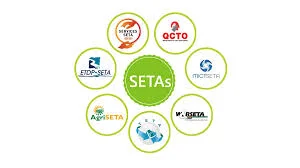
Some of the most well-known SETAs include:
- MICT SETA (Information Technology)
- MERSETA (Engineering and Manufacturing)
- AGRISETA (Agriculture)
- CETA (Construction)
- HWSETA (Health and Welfare)
Each focuses on building skills in its specific sector.
Common Mistakes to Avoid When Applying
- Applying without meeting requirements
- Submitting incomplete documents
- Missing deadlines
- Not researching the correct SETA
- Ignoring application instructions
Avoiding these mistakes improves your chances of success.
Expert Tips to Benefit from SETA Opportunities
1. Choose the Right Field
Pick a field that has demand in the job market.
2. Apply to Multiple Programmes
Do not rely on one application.
3. Keep Your Documents Ready
Always have certified copies available.
4. Stay Updated
Follow official SETA websites and job portals.
5. Be Patient
Selection processes can take time.
How SETAs Help Reduce Unemployment
SETAs play a major role in:
- Training job-ready candidates
- Supporting businesses with skilled workers
- Creating pathways from education to employment
They act as a bridge between:
- Government
- Employers
- Training institutions
- Job seekers
FAQs About SETA in South Africa
What is the main purpose of SETA?
To develop skills and improve employability in specific industries.
Are SETA programmes free?
Many are funded, but this depends on the programme.
Do SETAs pay you?
Some programmes offer stipends.
How many SETAs are there in South Africa?
There are about 21 SETAs.
Can I apply without Matric?
Some programmes accept Grade 10 or 11, depending on the field.
Important words: Is SETA Worth It?
Yes. SETAs are one of the most practical ways to gain:
- Skills
- Work experience
- Qualifications
If you are serious about building a career in South Africa, understanding and using SETA opportunities can make a real difference.


0 Comments